

 Select a city
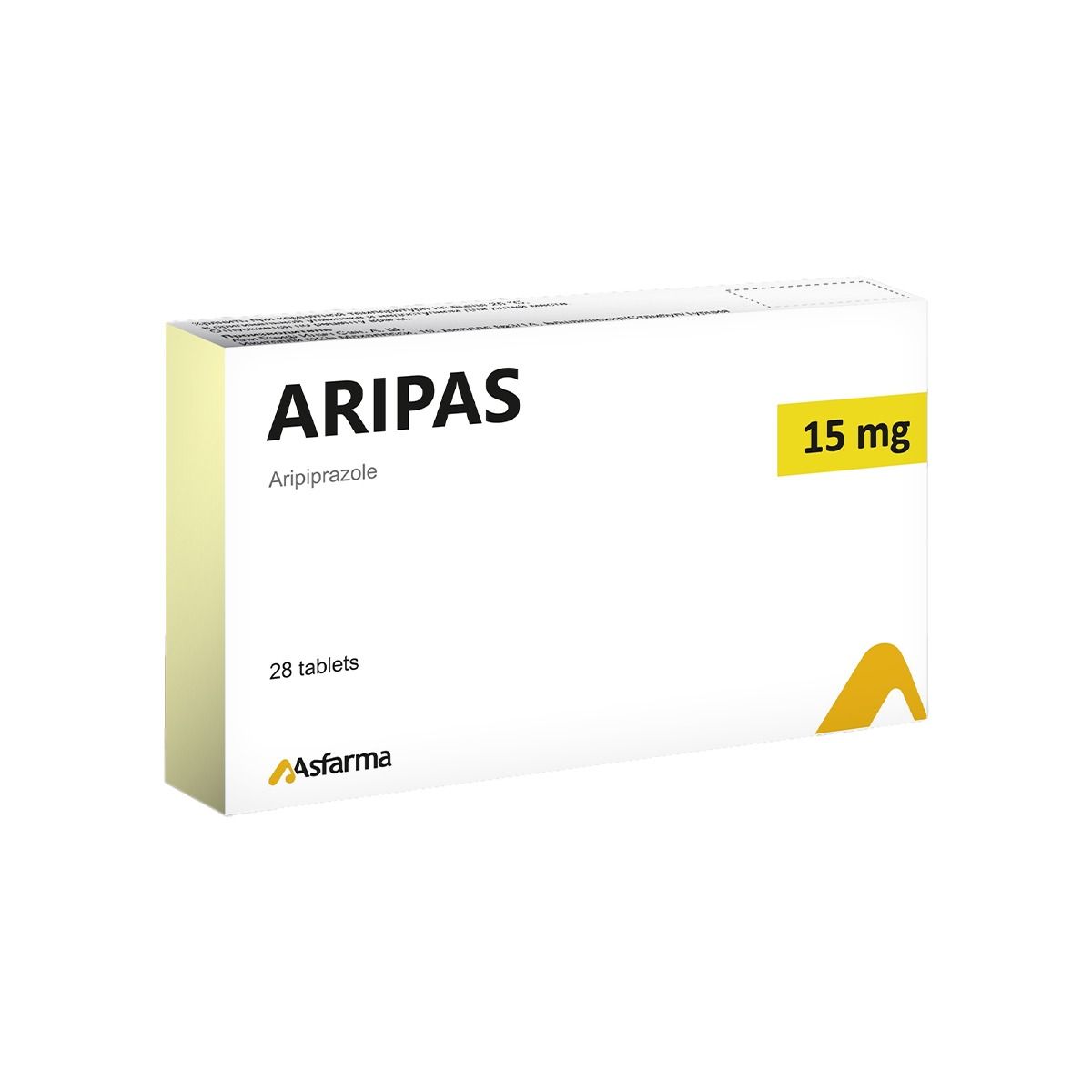
Aripas - Aripas Tablet 15mg 28 Tablets
| Status | Select a city |
| Brand country |  Turkey |
| Quantity and shape | 28 Tablets |
| Generics | aripiprazole |










- Description
- Reviews
Aripas Tablets
ARIPAS
International Nonproprietary Name: Aripiprazole
Composition
1 tablet contains:
Active substance: Aripiprazole 5mg, 10mg or 15 mg
Excipients: lactose monohydrate, corn starch, microcrystalline cellulose (Avicel PH 101), hydroxypropyl cellulose (HPC), magnesium stearate, colorants: for 5mg dosage - Е 132 indigo carmine lake; for 10mg dosage - iron oxide red; for 15mg dosage - iron oxide yellow.
Description
5mg: Light blue, oblong-shaped tablets, with a score line on one side.
10mg: Pink, oblong-shaped tablets, with a score line on one side. 15mg: Light yellow, oblong-shaped tablets, with a score line on one side.
Pharmacotherapeutic group
Psychotropic agents. Antipsychotic agents, other antipsychotic agents, aripiprazole
ATC code:N05AX12
Pharmacological properties
Pharmacodynamics
It is proposed that the therapeutic effect of aripiprazole in schizophrenia is mediated through a combination of partial agonist activity at dopamine D2 and serotonin 5-HT1a receptors and antagonist activity at serotonin 5-HT2 receptors.
in vitro aripiprazole has a high affinity for dopamine D2 and D3 receptors, serotonin 5-HT1a and 5-HT2a receptors, and moderate affinity for dopamine D4, serotonin 5-HT2c and 5-HT7, α1-adrenergic receptors, and H1-histamine receptors.
Aripiprazole is also characterized by moderate affinity for serotonin reuptake sites and a lack of affinity for muscarinic receptors.
Pharmacokinetics
General properties
The activity of the drug is mainly due to the presence of the parent substance - aripiprazole.
The mean elimination half-life of aripiprazole is approximately 75 hours. Steady-state concentration is achieved after 14 days. Accumulation of aripiprazole upon repeated dosing is predictable. The distribution of aripiprazole and its active metabolite dehydroaripiprazole does not change throughout the day. The main metabolite of aripiprazole in human plasma, dehydroaripiprazole, has the same affinity for D2-dopamine receptors as aripiprazole.
Absorption
After oral administration, aripiprazole is rapidly absorbed from the gastrointestinal tract. Cmax in plasma is reached after 3-5 hours. Aripiprazole undergoes minimal presystemic metabolism. Absolute bioavailability is 87%. Food intake does not affect the bioavailability of aripiprazole.
Distribution
Aripiprazole is widely distributed throughout tissues, with an apparent volume of distribution of 4.9 L/kg. At therapeutic concentrations, more than 99% of aripiprazole is bound to serum proteins, primarily albumin. Aripiprazole does not affect the pharmacokinetics and pharmacodynamics of warfarin, and does not displace warfarin bound to blood proteins.
Biotransformation
Aripiprazole undergoes minimal pre-systemic metabolism. Aripiprazole is metabolized in the liver by dehydrogenation, hydroxylation, and N-dealkylation.
In vitro, dehydrogenation and hydroxylation of aripiprazole are mediated by CYP3A4 and CYP2D6 isoenzymes, while N-dealkylation is catalyzed by the CYP3A4 isoenzyme.
Aripiprazole is the main component of the drug in the blood. At steady state, dehydroaripiprazole accounts for approximately 40% of the aripiprazole AUC in plasma.
Elimination
The mean elimination half-life of aripiprazole is approximately 75 hours in extensive metabolizers of CYP2D6 and approximately 146 hours in poor metabolizers of CYP2D6. The total clearance of aripiprazole is 0.7 mL/min/kg, which is primarily hepatic. Following a single oral dose of 14C-labeled aripiprazole, approximately 27% and 60% of the administered radioactivity was recovered in the urine and feces, respectively. Less than 1% of unchanged aripiprazole was excreted in the urine and approximately 18% of the oral dose was recovered unchanged in the feces.
Indications for Use
Treatment of acute schizophrenia episodes and maintenance therapy of schizophrenia in adults and adolescents (13-17 years of age).
Treatment of acute manic episodes of Bipolar I Disorder and maintenance therapy of Bipolar I Disorder in adult patients who have recently experienced a manic or mixed episode.
Adjunctive therapy to antidepressants for the treatment of major depressive disorder.
Treatment of irritability associated with autistic disorder, including symptoms of aggression towards others, deliberate self-injuriousness, temper tantrums, and quickly changing moods in pediatric patients (6-17 years of age).
Contraindications
Hypersensitivity to aripiprazole and other components of the drug
Special instructions
During treatment with neuroleptics, improvement in the patient's clinical condition may take from a few days to a few weeks. During this period, thorough monitoring of patients is necessary. Aripiprazole monotherapy is not indicated for the treatment of depression.
Drug-induced significant adverse reactions suicidal tendency (suicidality)
The manifestation of suicidal behavior is characteristic of patients with psychotic diseases and affective disorders. In some cases, this has been reported after starting the use of neuroleptics or switching from one neuroleptic to another, including treatment with aripiprazole. Treatment with neuroleptics must be accompanied by thorough monitoring of high-risk patients. The drug should be prescribed in the minimum amount sufficient to treat the patient; this will reduce the risk of overdose.
Cardiovascular diseases
Aripiprazole should be used with caution in patients with a history of cardiovascular disease (myocardial infarction or coronary artery disease, heart failure or conduction abnormalities),
cerebrovascular conditions, conditions which would predispose patients to hypotension (dehydration, hypovolemia, and treatment with antihypertensive medications) or hypertension, including accelerated or malignant hypertension.
Cases of venous thromboembolism (VTE) have been reported with antipsychotic drugs. Since patients treated with antipsychotics often present with acquired risk factors for VTE, all possible risk factors for VTE should be identified before and during treatment with aripiprazole and preventive measures undertaken.
QT prolongation
Like other antipsychotics, aripiprazole should be used with caution in patients with a family history of QT prolongation.
Tardive dyskinesia
The risk of tardive dyskinesia increases with long-term antipsychotic treatment. Therefore, if signs and symptoms of tardive dyskinesia appear in a patient on aripiprazole, dose reduction or discontinuation should be considered. These symptoms can temporally deteriorate or can even arise after discontinuation of treatment.
Other extrapyramidal symptoms
Akathisia and parkinsonism have been observed in clinical trials of aripiprazole in children. If signs and symptoms of other extrapyramidal disorders appear, the possibility of reducing the dose of the drug should be considered, with further careful observation of the patient.
Neuroleptic malignant syndrome
Neuroleptic malignant syndrome is a potentially fatal symptom complex associated with the use of neuroleptic drugs. Clinical manifestations of neuroleptic malignant syndrome are hyperpyrexia, muscle rigidity, altered mental status, and autonomic instability (irregular pulse, tachycardia, diaphoresis, and cardiac arrhythmia). In addition, sometimes there is an increase in creatine phosphokinase levels. Myoglobinuria (rhabdomyolysis) and acute renal failure. In patients with neuroleptic malignant syndrome or unexplained high body temperature without additional clinical manifestations of neuroleptic malignant syndrome, all neuroleptic drugs, including aripiprazole, should be discontinued immediately.
Seizures/convulsions
Aripiprazole should be used with caution in patients with a history of seizures and those at risk for developing them.
Elderly patients with dementia-related psychosis
In patients with psychosis due to dementia, the risk of mortality is increased when treated with atypical neuroleptic drugs.
Increased mortality
The risk of mortality is increased with the use of aripiprazole in elderly patients with psychosis due to Alzheimer's disease. Although the causes of death varied, most were cardiovascular (e.g., heart failure, sudden death) or infectious (e.g., pneumonia) in nature.
Cerebrovascular adverse reactions
Elderly patients with psychosis due to Alzheimer's disease developed cerebrovascular adverse reactions (e.g., stroke, transient ischemic attack), including death. A pronounced relationship was noted between drug doses and the occurrence of cerebrovascular adverse reactions in patients receiving aripiprazole. Aripiprazole is not indicated for the treatment of dementia-related psychosis.
Hyperglycemia and diabetes mellitus
Hyperglycemia, in some cases very severe and accompanied by ketoacidosis or hyperosmolar coma with a fatal outcome, has been reported in patients receiving atypical neuroleptic drugs, including aripiprazole. Risk factors for severe complications include obesity and a family history of diabetes.
There is no precise comparative assessment of the development of hyperglycemia-related adverse reactions in patients receiving aripiprazole and other atypical neuroleptics.
Hypersensitivity
During the administration of aripiprazole, as with other medications, hypersensitivity reactions may occur.
Weight gain
Patients with schizophrenia and bipolar mania often experience weight gain as a result of comorbidities. The use of neuroleptics, which causes weight gain, as well as the lack of a healthy lifestyle, can lead to serious complications. Weight gain has been reported in the post-marketing period in patients taking aripiprazole. Cases of weight gain are usually reported in patients with significant risk factors such as diabetes mellitus, thyroid disorders, or a history of pituitary adenoma. In clinical trials, aripiprazole did not cause significant weight gain in adults. Aripiprazole has been shown to be associated with weight gain in adolescents with bipolar disorder after 4 weeks of treatment. Weight gain should be monitored in adolescents with bipolar disorder; if clinically significant, dose reduction should be considered.
Dysphagia
Neuroleptics can cause esophageal motility disorders and aspiration of gastric contents. Aripiprazole and other neuroleptics should be used with caution in patients with risk factors for developing aspiration pneumonia.
Pathological gambling
During the post-marketing period, pathological gambling has been reported in patients taking aripiprazole, regardless of whether they had a prior history of gambling. Patients with a history of pathological gambling may be at increased risk for this pathology when taking aripiprazole and should be monitored carefully.
Orthostatic hypotension
Aripiprazole may cause orthostatic hypotension due to its α1-adrenoreceptor antagonism.
Body temperature regulation impairment Neuroleptics, including aripiprazole, may cause disruption of body temperature regulation. Aripiprazole should be prescribed with caution to patients who have an increased risk of overheating due to intense physical exertion, high environmental temperature, concomitant medication with anticholinergic activity, or dehydration.
Abuse and dependence
Abuse
Aripiprazole has not been systematically studied in humans for its potential for abuse, tolerance, or physical dependence. Therefore, patients should be carefully evaluated for a history of drug abuse, and such patients should be observed closely for signs of aripiprazole misuse or abuse (e.g., development of tolerance, increases in dose, drug-seeking behavior).
Dependence
Although clinical trials have not revealed any drug-seeking behavior, these observations were not systematic and it is not possible to predict on the basis of this limited experience the extent to which a CNS-active drug will be misused, diverted, and/or abused once marketed.
Sleep Apnea Syndrome
Sleep apnea syndrome has been reported in patients treated with aripiprazole. Caution should be exercised when prescribing aripiprazole concomitantly with central nervous system depressants and in patients with a history of or at risk for sleep apnea (e.g., overweight/obese patients or males).
Patients with Concomitant Attention Deficit Hyperactivity Disorder (ADHD)
Despite the high frequency of the combination of bipolar I disorder and ADHD, very limited safety data are available on the concomitant use of aripiprazole and psychostimulants, so caution should be exercised when they are used concomitantly.
Falls
Aripiprazole may cause somnolence, postural hypotension, motor and sensory instability, which may frequently lead to falls. Caution should be exercised when treating patients at high risk of falls, and the possible use of a lower starting dose of the drug should be considered (in elderly and debilitated patients).
Lactose
Since the tablets contain lactose, patients with rare hereditary problems such as galactose intolerance, the Lapp lactase deficiency or glucose-galactose malabsorption should not take this medicine.
Interaction with other medicinal products
Given the primary CNS effects of aripiprazole, caution should be used when it is taken in combination with other centrally acting drugs or alcohol due to possible overlapping adverse reactions such as sedation. Aripiprazole, due to its α1-adrenergic receptor antagonism, has the potential to enhance the effect of certain antihypertensive agents.
Caution should be exercised when using aripiprazole together with medications that prolong the QT interval and cause electrolyte imbalance.
Effect of other medicinal products on aripiprazole
The hydrochloric acid secretion inhibitor and H2-histamine receptor antagonist, famotidine, reduces the rate of aripiprazole absorption, but this effect is not clinically significant.
Aripiprazole is metabolized by several pathways, involving CYP2D6 and CYP3A4 isoenzymes. Because the CYP1A isoenzyme is not involved in the metabolism of aripiprazole, no dose adjustment is required for smokers.
Quinidine and other CYP2D6 strong inhibitors
When aripiprazole is administered concomitantly with quinidine the dose should be reduced to approximately half. Other strong CYP2D6 inhibitors, fluoxetine and paroxetine, are expected to have similar effects, so the dose should be similarly reduced when they are used.
Ketoconazole and other CYP 3A4 inhibitors
In individuals with poor CYP2D6 metabolism, CYP3A4 concurrent administration of strong inhibitors may result in higher aripiprazole concentrations in blood plasma compared to patients who have extensive CYP2D6 metabolism. If concurrent use of ketoconazole or other strong CYP3A4 inhibitors and aripiprazole is necessary, the potential benefit should outweigh the possible risks to the patient. When aripiprazole and ketoconazole are used concurrently, the aripiprazole dose should be reduced to approximately one-half. Other strong CYP3A4 inhibitors, such as itraconazole and HIV protease inhibitors, may theoretically have the same effect, therefore, the dose must be similarly reduced. After discontinuation of the CYP2D6 or CYP3A4 inhibitor, the dose of aripiprazole should be returned to the dose prior to the initiation of concurrent treatment. A slight increase in aripiprazole concentration may occur with the concurrent use of weak CYP3A4 inhibitors (e.g., diltiazem or escitalopram) or CYP2D6 inhibitors.
Carbamazepine and other CYP 3A4 inhibitors
The dose of aripiprazole should be doubled when administered with carbamazepine. Other strong CYP3A4 inducers (e.g., rifampicin, rifabutin, phenytoin, phenobarbital, primidone, efavirenz, nevirapine, and St. John's wort) theoretically have a similar effect, so a corresponding dose increase is required. After discontinuation of strong CYP3A4 inducers, the dose of the drug should be reduced to the recommended dose.
Valproate and lithium
When valproate or lithium is administered concomitantly with aripiprazole, no clinically significant changes in aripiprazole concentrations were observed. Therefore, no dose adjustment is required when aripiprazole is used concomitantly with valproate or lithium.
Effect of aripiprazole on the action of other medicinal products
It is unlikely that aripiprazole will cause clinically significant drug interactions mediated by the isoenzymes CYP2D6 (dextromethorphan), CYP2C9 (warfarin), CYP2C19 (omeprazole, warfarin), and CYP3A4 (dextromethorphan). When aripiprazole is administered concomitantly with valproate, lithium, or lamotrigine, no clinically significant changes in valproate, lithium, or lamotrigine concentrations were observed. Serotonin syndrome
Cases have been reported of serotonin syndrome cases in patients, who were taking aripiprazole; especially other serotonergic drugs together when used, such as serotonin reuptake selective inhibitor/serotonin-norepinephrine reuptake selective inhibitor (SSRI/SNRI) or with drugs, that increase aripiprazole concentration.
Alcohol
As with many antipsychotic drugs, patients should be advised to avoid alcohol consumption while using the drug.
Use during pregnancy and lactation
Adequate and well-controlled studies in pregnant women have not been conducted. Patients should be advised to inform their physician if they become pregnant or intend to become pregnant during treatment. Due to insufficient information on the safety of aripiprazole during pregnancy, the medication should be prescribed only when the expected benefit to the mother outweighs the potential risk to the fetus. Neonates exposed to antipsychotics during the third trimester of pregnancy are at risk for extrapyramidal symptoms and/or withdrawal symptoms following delivery, which may vary in severity. These include agitation, hypertonia, hypotonia, tremor, somnolence, respiratory distress, or feeding disorder. Consequently, careful monitoring of such neonates is necessary. The drug should not be used during pregnancy unless strictly necessary. Aripiprazole and its metabolites are excreted in human breast milk. If treatment is necessary, breastfeeding should be discontinued.
Effects on ability to drive and use machines
Aripiprazole may influence the ability to drive and use machines due to potential nervous system and visual adverse reactions. These reactions include sedation, somnolence, syncope, vision blurred, and diplopia.
Method of administration and doses
Tablets are taken orally with a sufficient amount of water (e.g., 1 glass) regardless of food intake.
Adults
Schizophrenia
The recommended starting dose is 10-15 mg/day, the maintenance dose is 15 mg/day. Aripiprazole is effective in the dose range of 10-30 mg/day. The maximum daily dose should not exceed 30 mg. Manic episodes in bipolar I disorder: the recommended starting dose is 15-30 mg/day. This dose is taken once a day, regardless of food intake. If necessary, the dose should be changed with a minimum interval of 24 hours. During manic episodes, clinical trials have shown the effectiveness of taking the drug for 3-12 weeks at doses of 15-30 mg/day. The safety of taking doses greater than 30 mg/day has not been evaluated in clinical trials
I type bipolar disorder new manic episodes prevention
To prevent the recurrence of manic episodes in patients receiving aripiprazole, the drug should be continued at the same dose. Depending on the patient's clinical condition, the daily dose may be adjusted, including its reduction.
Adjunctive therapy in major depressive disorder
As an adjunctive therapy during treatment with antidepressants, it is recommended to prescribe the drug at an initial dose of 5 mg once a day, regardless of food intake.
The drug is effective at doses of 5-15 mg/day during combined treatment with antidepressants. The daily dose should be adjusted gradually, with an interval of at least 1 week. The maximum daily dose should not exceed 15 mg. Due to intolerance, the dose may be reduced to 2 mg. Patients should be periodically evaluated to determine the need for continued adjunctive therapy with aripiprazole.
Pediatric patients
Adolescent schizophrenia (13-17 years)
The recommended dose is 10 mg once daily, regardless of meals. Treatment should be initiated at a dose of 2 mg for 2 days, then increased to 5 mg for 2 days, to reach the recommended daily dose of 10 mg. If necessary, further dose increases should be made in 5 mg increments, without exceeding the maximum daily dose of 30 mg.
Aripas™ is effective at doses of 10-30 mg/day. The increase in efficacy when using doses higher than the 10 mg daily dose has not been evaluated in adolescents, but in some patients there may be a direct correlation between treatment efficacy and the use of higher doses of the drug.
Autistic spectrum disorder associated irritability
Pediatric patients (6-17 years)
The recommended dose of the drug is 5-10 mg once a day, the maximum dose is 15 mg/day. The dose of the drug should be adjusted individually, according to tolerability and efficacy .
Treatment should start with a dose of 2 mg/day, then the dose should be increased to 5 mg/day, then 10 mg/day or if necessary 15 mg/day.
Dose adjustment of 5 mg/day should be carried out gradually with at least 1 week interval.
Additional data, which are related to special patient groups
Patients renal function impairment
Dose adjustment is not required in patients with renal impairment.
Patients hepatic function impairment
Patients with mild to moderate hepatic impairment do not require dose adjustment. There is insufficient data to make recommendations for patients with severe hepatic impairment. The dose for these patients should be selected carefully. In addition, a maximum daily dose of 30 mg should be used with caution in patients with severe hepatic impairment.
Pediatric patients
Since the efficacy and safety of Aripa™ in children under 6 years of age have not been established, its use in this age group is not recommended.
Elderly patients
The efficacy of Aripa™ in the treatment of schizophrenia and bipolar I disorder in patients over 65 years of age has not been established. Considering the high sensitivity of patients in this population, the appropriateness of using lower initial doses of the drug should be considered, if other clinical factors permit.
Gender
Dose adjustment based on the patient's gender is not necessary
Patients using CYP2D6 and CYP3A4 inhibiting and CYP3A4 inducing drugs
Dose adjustment in patients using aripiprazole together with strong CYP3A4 and CYP2D6 inhibitors
If strong CYP3A4 or CYP2D6 inhibitors are prescribed together with aripiprazole, the aripiprazole dose should be at least halved. If the CYP3A4 or CYP2D6 inhibitor is withdrawn from the combination treatment regimen, the aripiprazole dose should be increased.
Dose adjustment for patients receiving aripiprazole concomitantly with strong CYP3A4 inducers.
Strong CYP3A4 inducers used concomitantly with aripiprazole, the aripiprazole dose should be doubled. The increase in aripiprazole dose should be based on clinical evaluation. If the CYP3A4 inducer is withdrawn from the combination treatment regimen, the aripiprazole dose should be reduced to the recommended dose. For patients treated concomitantly with multiple drugs inhibiting CYP3A4 and CYP2D6 isoenzymes, a reduction of the daily dose to 25% of the usual dose should be considered. When prescribing the drug to patients with poor CYP2D6 isoenzyme activity, the dose should initially be halved (50%) and then increased to achieve the optimal clinical result. In poor metabolizers receiving CYP3A4 isoenzyme inhibitor, the aripiprazole dose should be a quarter (25%) of the usual dose
Side effects
Frequency of side effects: very common(≥1/10); common(1/100≤ to 1/10>); uncommon (1/1000≤ to 1/100>); rare (1/10000≤ to <1/1000>); very rare (<1/10000); unknown (frequency cannot be estimated from the available data)
Blood and lymphatic system disorders
Unknown: leukopenia, neutropenia, thrombocytopenia.
Immune system disorders
Unknown: allergic reactions (e.g. anaphylactic reactions, angioedema: including tongue edema, facial edema, pruritus, urticaria).
Endocrine disorders
Uncommon: hyperprolactinemia;
Unknown: diabetic hyperosmolar coma, diabetic ketoacidosis
Metabolism and nutrition disorders
Common: diabetes mellitus
Uncommon: Hyperglycemia
Unknown: Hyponatremia, anorexia
Psychiatric disorders:
Common: Insomnia, anxiety, agitation;
Uncommon: Depression, hypersexuality;
Unknown: Suicidal thoughts and attempts, suicide, pathological gambling, poriomania, aggressiveness, agitation, nervousness, compulsive shopping, binge eating.
Nervous system disorders
Common: Akathisia, extrapyramidal syndrome, tremor, headache, sedation, somnolence, dizziness;
Uncommon: Tardive dyskinesia, dystonia,“ restless legs” syndrome
Unknown: Malignant neuroleptic syndrome (NMS), grand mal convulsion, serotonin syndrome, speech disorder. Eye disorders
Common: blurred vision;
Rare: diplopia, photophobia;
Unknown: oculogyric crisis.
Cardio-vascular system disorders
Uncommon: tachycardia, orthostatic hypotension;
Unknown: sudden torsades de pointes, ventricular arrhythmias, cardiac arrest, bradycardia, venous thromboembolism (including pulmonary embolism and deep vein thrombosis), hypertension, syncope.
Respiratory, thoracic and mediastinal disorders: uncommon: hiccups;
rare: sleep apnea syndrome;
unknown: aspiration pneumonia, laryngospasm, oropharyngeal spasm
Gastrointestinal system disorders
Common: constipation, dyspepsia, nausea, vomiting; salivary hypersecretion;
Unknown: pancreatitis, dysphagia, diarrhea, abdominal discomfort, stomach discomfort.
Hepatobiliary system disorders
Unknown: liver failure, hepatitis, jaundice.
Skin and subcutaneous tissue disorders
Unknown: rash, photosensitivity, alopecia, hyperhidrosis, drug rash with eosinophilia and systemic symptoms (DRESS).
Musculoskeletal and connective tissue disorders
Unknown: rhabdomyolysis, myalgia, muscle rigidity.
Renal and urinary disorders
Unknown: urinary incontinence, urinary retention.
Pregnancy, puerperium and perinatal conditions
Unknown: neonatal abstinence syndrome.
Reproductive system and breast disorders
Unknown: priapism.
General disorders and administration site conditions
Common: fatigue;
Unknown: thermoregulation disorder (hypothermia, hyperthermia), chest pain, peripheral edema.
Influence on the results of laboratory and instrumental studies: Unknown : body weight increase or decrease, increased alanine aminotransferase (ALT) levels, increased aspartate aminotransferase (AST) levels, increased gamma-glutamyl transferase (GGT) levels, increased alkaline phosphatase levels, QT interval prolongation, increased creatine phosphokinase levels, increased blood glucose levels, blood glucose level fluctuations, increased glycosylated hemoglobin levels.
In case of adverse effects, consult a doctor
Overdose
Signs and symptoms
In adult patients there is reported aripiprazole accidental and intentional acute overdose of up to 1260 mg, which was not accompanied by death. Medically speaking, potentially significant symptoms were: lethargy, hypertension, somnolence, tachycardia, diarrhea, nausea and vomiting.
In addition, data have been reported, in children of aripiprazole (up to 195 mg) accidental overdose without a fatal outcome . Medically potentially important signs and symptoms were: somnolence, extrapyramidal symptoms and transient loss of consciousness. No clinically significant adverse events were reported in vital and laboratory parameters or ECG in hospitalized patients under observation.
Treatment
In case of overdose, treatment should include supportive therapy, airway management, oxygen therapy, mechanical ventilation and symptom control. The possibility of multiple drug overdose should be considered. Therefore it is necessary to immediately start monitoring the condition of the cardiovascular system, which should include continuous ECG monitoring to detect possible arrhythmias.
After a confirmed or suspected aripiprazole overdose, careful medical observation and monitoring of the patient's condition is required until recovery.
Activated charcoal (50 g) administered 1 hour after aripiprazole intake decreases aripiprazole Cmax by approximately 41% and AUC by approximately 51%, which indicates activated charcoal's possible efficacy in overdose treatment.
Hemodialysis
There is no data on the use of hemodialysis in case of aripiprazole overdose, but the effectiveness of this method is unlikely, since aripiprazole is not excreted unchanged by the kidneys and is highly bound to plasma proteins.
Form of release
5mg, 10mg or 15mg 14 tablets in a blister. 2 blisters with instructions for use in a set, packed in a cardboard box.
Storage conditions
Store at room temperature not exceeding 25 °С, in the original packaging and out of the reach of children.
Shelf life
3 years
Do not use after the expiry date.
Dispensing rule:
Pharmaceutical product group II, dispensed with form №3 prescription
Also, see: Aripas 10mg 28 tablets
Translated by AI


