

 Select a city
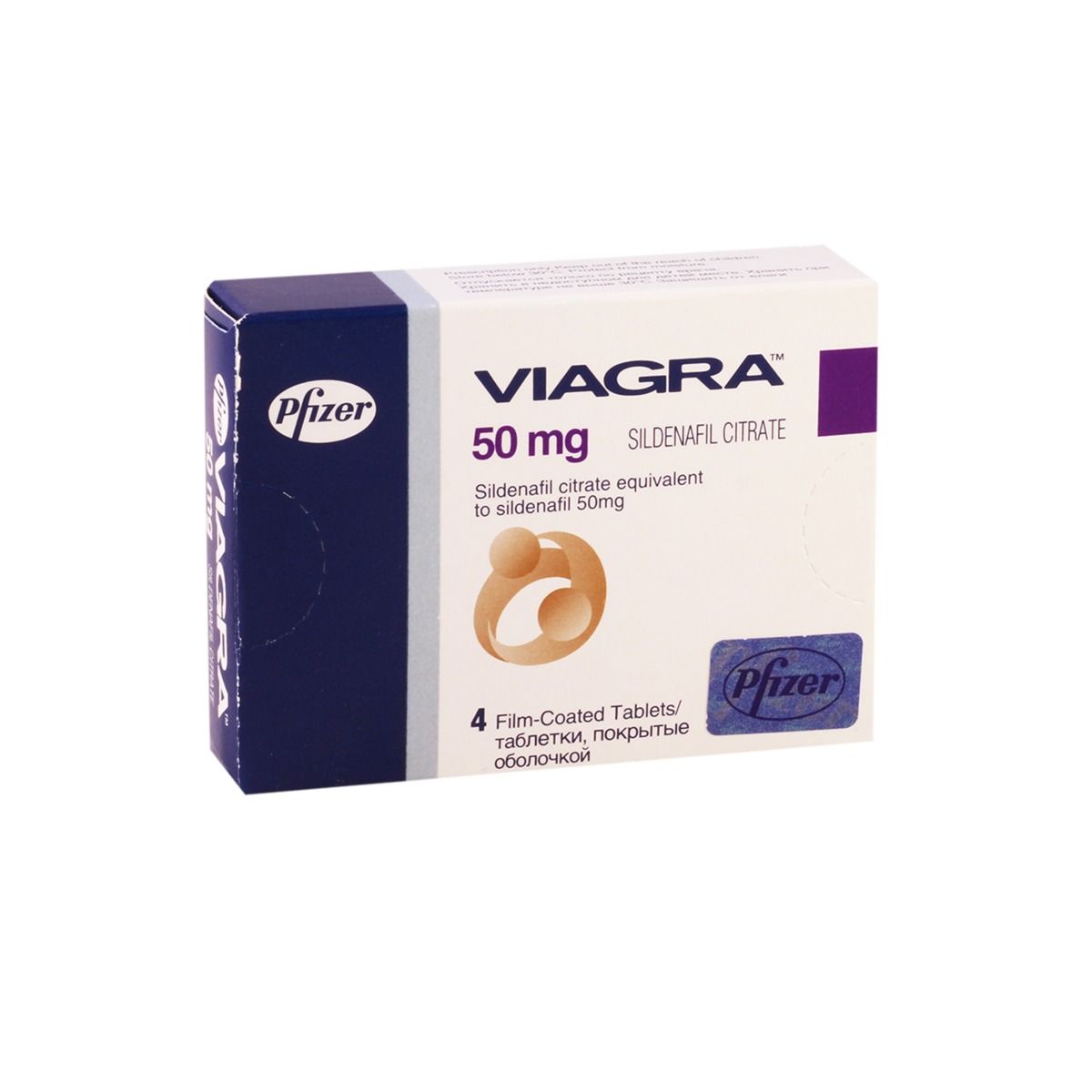
Viagra - Viagra 50mg.4 tablets
| Status | Select a city |
| Brand | Pfizer / Pfizer |
| Brand country |  France |
| Quantity and shape | 4 ტაბლეტი |
| Generics | sildenafil citrate |
| Dosage | 50მგ |
Indication: For the treatment of erectile dysfunction.




- Description
- Reviews
Viagra
Composition
Active ingredient: sildenafil (as sildenafil citrate) 25, 50 or 100 mg;
Excipients: microcrystalline cellulose, calcium hydrogen phosphate (anhydrous), croscarmellose sodium, magnesium stearate, film-coated tablets Opadry ® Blue and Opadry ® Clear.
Description
Blue, film-coated, diamond-shaped tablets, slightly biconvex, with beveled and rounded edges, marked “Pfizer” on one side, and “VGR 25”, “VGR 50” and “VGR 100” on the other, respectively.
See the blog: Viagra — a drug for the treatment of erectile dysfunction
Pharmacological properties
Mechanism of action. Sildenafil does not have a direct relaxing effect on the isolated corpus cavernosum, but enhances the relaxing effect of NO by inhibiting PDE5, which is responsible for the breakdown of c-GMP in the corpus cavernosum.
Inhibition of PDE5 by sildenafil leads to an increase in the level of c-GMP in the corpus cavernosum, which results in relaxation of smooth muscles and increased blood flow in the corpus cavernosum.
Sildenafil is ineffective at the recommended dose without sexual stimulation.
Sildenafil is selective for PDE5 in vitro, its activity against PDE5 exceeds the activity against other known phosphodiesterase isoenzymes: PDE6 - 10-fold; PDE1 - 80-fold and more; PDE2, PDE4, PDE7 - PDE11 - 700-fold and more; The activity of sildenafil against PDE5 is approximately 4,000-fold higher than the activity against PDE3, a cAMP-specific phosphodiesterase involved in cardiac contractions. Some patients showed mild and transient impairment of the ability to distinguish colors (blue / green) using the Farnsworth-Munsell test 1 hour after taking 100 mg of the drug; after 2 hours these impairments were no longer observed. The color vision impairment is thought to be due to inhibition of PDE6, which is involved in the transmission of light to the retina. Sildenafil does not affect visual acuity, contrast perception, electroretinogram, intraocular pressure, or pupil diameter.
Pharmacokinetics
The pharmacokinetics of sildenafil are dose-dependent within the recommended oral dose range.
Absorption
After oral administration, sildenafil is rapidly absorbed. Absolute bioavailability is on average approximately 40% (25–63%). In vitro, sildenafil at a concentration of 1.7 ng/mL (3.5 nM) inhibits human PDE5 by 50%. After a single dose of 100 mg of sildenafil, the average maximum concentration (Cmax) of free sildenafil in blood plasma is approximately 18 ng/ml (38 nM). Cmax is reached within 30-120 minutes (mean 60 minutes) after oral administration in the fasting state. When taken with fatty foods, the rate of absorption decreases; Cmax is reduced by an average of 29%, and the time to reach maximum concentration (Tmax) is increased by 60 minutes.
Distribution
The volume of distribution of sildenafil at steady state averages 105 L.
The protein binding of sildenafil and its main circulating N-desmethyl metabolite is approximately 96% and does not depend on the total concentration of the drug. Less than 0.0002% of the dose (average 188 ng) was detected in semen 90 minutes after administration.
Metabolism
Sildenafil is primarily metabolized in the liver by the cytochrome P450 microsomal isoenzymes: CYP3A4 (major pathway) and CYP2C9. The main circulating active metabolite, which is obtained by N-demethylation of sildenafil, undergoes further metabolism. The selectivity of this metabolite for PDE is equivalent to that of sildenafil, and its activity against PDE5 in vitro is approximately 50% of that of sildenafil. The concentration of the metabolite in plasma is approximately 40% of that of sildenafil. The N-desmethyl metabolite undergoes further metabolism. Its terminal half-life is 4 hours.
Excretion
The total clearance of sildenafil from the body is 41 l/h, and the terminal half-life is 3-5 hours. After oral administration, sildenafil is excreted in the form of metabolites mainly with feces (about 80% of the dose) and in small amounts with urine (about 13%).
Elderly patients
In the elderly (65 years and older), sildenafil clearance is reduced, and the concentration of free sildenafil in plasma is 40% higher than in young people (18-45 years). Age does not have a clinically significant effect on the frequency of side effects.
Renal insufficiency
In mild (creatinine clearance 50-80 ml/min) and moderate (creatinine clearance 30-49 ml/min) renal insufficiency, the pharmacokinetics of sildenafil after a single oral dose of 50 mg are unchanged. In severe renal insufficiency (creatinine clearance ≤ 30 ml/min), sildenafil clearance is reduced, resulting in a twofold increase in the area under the concentration-time pharmacokinetic curve (AUC - by 100%) and an approximately twofold increase in Cmax (88%) compared to those observed in subjects with normal renal function in the same age group.
Hepatic failure
In patients with cirrhosis of the liver (Caild-piu A and B), sildenafil clearance is reduced, which leads to an increase in AUC (by 84%) and Cmax (by 47%) compared to those observed in normal liver function in the same age group.
Indications
For the treatment of erectile dysfunction, when the ability to achieve or maintain an erection of the penis, which is necessary for satisfactory sexual intercourse, is impaired.
Sildenafil is effective only in the presence of sexual stimulation.
Rules of administration and dosages
To avoid complications, take strictly as prescribed by a doctor!
The recommended dose for most patients is 50 mg orally, approximately 1 hour before sexual activity. Depending on the efficacy and tolerability of the drug, the dose may be increased to 100 mg or reduced to 25 mg. The maximum recommended frequency of administration is once a day.
Renal failure
In mild and moderate renal failure (creatinine clearance 30-80 ml/min), dose adjustment is not required; in severe renal failure (creatinine clearance ≤ 30 ml/min), the dose is reduced to 25 mg.
Hepatic failure
In patients with impaired liver function, the dose may be reduced to 25 mg.
Use with other medicinal products
When used with ritonavir, the maximum single dose should be 25 mg, not more often than once every 48 hours (see “Interaction”).
When used with cytochrome P450 3A4 inhibitors (such as erythromycin, saquinavir, ketoconazole, itraconazole), the starting dose is 25 mg. (See “Interaction”).
In case of taking alpha-adrenergic blockers, in order to minimize the risk of postural hypotension, sildenafil should be administered to such patients only after hemodynamic stabilization. In addition, the issue of reducing the initial dose of sildenafil should be considered. (See “Interaction”).
Elderly patients - no dose adjustment is required.
Side effects
Side effects are usually transient and mild to moderate.
The frequency of side effects increases with increasing dose.
| Organ and organ system | Adverse event | Sildenafil (%) |
| Most common side effects ( ≥ 1 / 10) | ||
| Nervous system | Headache | 10.8 |
| Cardiovascular system | Vasodilation (increased blood flow to the face) increase) | 10.9 |
| Common side effects (≥ 1 / 100 and <1 /10) | ||
| Nervous system | Dizziness | 2.9 |
| Eye |
Visual changes (blurred vision, changes in sensitivity to light) Chromatopia (mild and transient, mainly changes in the perception of color tones) |
2.5 1.1 |
| Cardiovascular system | Increased heart rate | 1.0 |
| Respiratory system | Rhinitis | 2.1 |
| Digestive system | Dyspepsia | 3.0 |
In case of use in doses higher than recommended, side effects were similar to those listed above, but occurred more frequently.
Immune system: hypersensitivity reactions (including skin rash);
Cardiovascular system: tachycardia, decreased blood pressure, nausea, nosebleeds;
Digestive system: vomiting;
Eye: eye pain, redness of the eyes / injection of the sclera; Urogenital system: prolonged erection and / or priapism;
Contraindications
Hypersensitivity to any component of the drug;
Sildenafil enhances the hypotensive effect of nitrates, therefore its use is contraindicated in patients who are constantly or at certain intervals receiving nitric oxide donors, organic nitrates or nitrates in any form (see “Interaction”).
With caution: anatomical deformation of the penis (including angulation, cavernous fibrosis or Peyronie's disease), diseases predisposing to priapism (such as sickle cell anemia, multiple myeloma, leukemia, thrombocythemia), bleeding disorders, exacerbation of peptic ulcer disease, hereditary retinitis pigmentosa, heart failure, unstable angina, myocardial infarction, stroke or life-threatening arrhythmias in the last 6 months, arterial hypertension (blood pressure > 170/100 mm Hg), or hypotension (blood pressure < 90/50 mm Hg).
Age under 18According to the registered indication, the drug is not intended for use in children under 18 years of age In children.
Pregnancy and lactation
The registered indication of the drug is not intended for women.
Special instructions
To diagnose erectile dysfunction, determine its possible causes and select adequate treatment, it is necessary to collect a complete medical history and conduct a physical examination.
Sexual activity poses a certain risk in heart disease, therefore, before starting treatment for erectile dysfunction, the doctor should refer the patient for examination of the cardiovascular system. Sexual activity is undesirable in case of heart failure, unstable angina, myocardial infarction or stroke in the last 6 months, life-threatening arrhythmias, arterial hypertension (blood pressure > 170/100 mm Hg) or hypotension (blood pressure < 90/50 mm Hg).
Sildenafil has a systemic vasodilating effect, which causes a transient decrease in blood pressure, which is of no clinical significance and does not cause any consequences in the majority of patients. However, before prescribing sildenafil, the physician should assess the risk of possible adverse manifestations of the vasodilating effect in patients with underlying diseases, especially against the background of sexual activity. Patients with obstruction of the left ventricular outflow tract (including aortic stenosis, hypertrophic obstructive cardiomyopathy), as well as with the rare multiple system atrophy syndrome, which is characterized by severe disorders of the autonomic nervous system regulation of blood pressure, have an increased susceptibility to vasodilators.
In rare cases, non-arteritic anterior ischemic optic neuropathy (NAIO) has been reported with all PDE5 inhibitors, including sildenafil, as a cause of visual impairment or loss. The majority of these patients had risk factors such as optic nerve head depression, age over 50 years, diabetes mellitus, hypertension, ischemic heart disease, hyperlipidemia, and smoking. A causal relationship between PDE5 inhibitors and NIAIO has not been established. The physician should inform the patient about the risk of developing NIAIO if he or she already has this condition.
Since the use of sildenafil and alpha-blockers in individual susceptible patients leads to the development of symptomatic hypotension, sildenafil should be administered with caution in the presence of alpha-blockers. (See "Interaction"). To minimize the risk of postural hypotension in patients receiving alpha-blockers, sildenafil should be initiated only after hemodynamic stabilization. The issue of reducing the initial dose of sildenafil should be considered. (See "Methods of administration and dosage"). In addition, the doctor should inform the patient about the measures to be taken in case of signs of postural hypotension.
Sildenafil enhances the antiaggregatory effect of sodium nitroprusside (a nitric oxide donor) on human platelets in vitro.
In clinical trials, sildenafil did not show any difference in the incidence of myocardial infarction (1.1 per 100 person-years) or cardiovascular mortality (0.3 per 100 person-years) compared with placebo. A small number of patients with hereditary retinitis pigmentosa have impaired retinal phosphodiesterase function. There are no data on the safety of sildenafil in such patients, so sildenafil should be prescribed with caution.
Medications for erectile dysfunction should not be prescribed to men in whom sexual activity is not desirable.
The efficacy and safety of sildenafil when used in combination with other medications for erectile dysfunction have not been studied, therefore, the use of such combinations is not recommended.
Impact on the ability to drive and use machines
No negative effects on the ability to drive or use machines have been identified while taking Viagra, however, since the drug may cause a decrease in blood pressure, chromatopsia, blurred vision, etc., it is necessary to take into account the individual effect of the drug in these situations, especially when starting treatment and changing the dosage regimen.
Overdose
In cases of single administration of up to 800 mg of the drug, side effects were similar to those observed in cases of lower doses of sildenafil, but were observed more often.
Treatment is symptomatic. Dialysis does not accelerate the clearance of sildenafil, as the latter is highly bound to plasma proteins and is not excreted in the urine.
Interaction with other drugs
Effect of other drugs on sildenafil
The metabolism of sildenafil occurs mainly under the action of cytochrome P450 isoenzymes: CYP3A4 (major pathway) and CYP2C9. Therefore, inhibitors of these isoenzymes may reduce the clearance of sildenafil. A decrease in sildenafil clearance has been noted when co-administered with CYP3A4 inhibitors (such as ketoconazole, erythromycin, cimetidine). Cimetidine (800 mg), a non-specific CYP3A4 inhibitor, when administered with 50 mg of sildenafil, causes an increase in plasma sildenafil concentration by 56%. When a single dose of 100 mg of sildenafil is administered with erythromycin (500 mg/day, 2 times a day for 5 days), a specific CYP3A4 inhibitor, an increase in sildenafil AUC by 182% is observed against the background of achieving a constant concentration of erythromycin in the blood. When sildenafil (100 mg once daily) was coadministered with saquinavir (1200 mg/day, 3 times daily), an inhibitor of HIV protease and CYP3A4, a 140% increase in sildenafil Cmax and a 210% increase in sildenafil AUC was observed at steady-state levels of saquinavir. Sildenafil did not affect the pharmacokinetics of saquinavir. More potent CYP3A4 inhibitors, such as ketoconazole and itraconazole, may cause more pronounced changes in sildenafil pharmacokinetics.
When taking sildenafil (100 mg once) together with ritonavir (500 mg twice a day), which is a potent inhibitor of HIV protease and cytochrome P450, against the background of achieving a constant concentration of ritonavir in the blood, an increase in sildenafil Cmax by 300% (4-fold) and an increase in sildenafil AUC by 1000% (11-fold) are observed. After 24 hours, the concentration of sildenafil in the blood plasma is approximately 200 ng/ml (after a single dose of sildenafil alone - 5 ng/ml).
If patients take sildenafil in recommended doses, against the background of taking strong CYP3A4 inhibitors, the Cmax of free sildenafil does not exceed 200 nM, and the drug is well tolerated.
A single dose of antacid (magnesium hydroxide/aluminum hydroxide) does not affect the bioavailability of sildenafil.
CYP2C9 inhibitors (such as tolbutamide, warfarin), CYP2D6 inhibitors (selective serotonin reuptake inhibitors, tricyclic antidepressants), thiazide and thiazide-like diuretics, ACE inhibitors, and calcium antagonists - do not affect the pharmacokinetics of sildenafil.
Azithromycin (500 mg/day for 3 days) does not affect the Cmax, AUC, Tmax, elimination rate constant, and half-life of sildenafil or its main circulating metabolite.
Effect of sildenafil on other medicinal products
Sildenafil is a weak inhibitor (IC 50 > 150 μmol) of cytochrome P450 isoenzymes - 1A2, 2C9, 2C19, 2D6, 2E1, 3A4. When taking sildenafil at the recommended dose, its Cmax is 1 μmol, therefore, it is unlikely that sildenafil will affect the clearance of substrates of these isoenzymes. Sildenafil enhances the hypotensive effect of nitrates, both during long-term use of the latter and when they are prescribed for acute indications. Therefore, taking sildenafil with nitrates or nitric oxide donors is contraindicated.
With simultaneous administration of the alpha-adrenoblocker doxazosin (4 mg and 8 mg) and sildenafil (25, 50 or 100 mg) in patients with benign prostatic hyperplasia and stable hemodynamics, an additional mean decrease in systolic/diastolic pressure was observed: when lying on the back - 7/7 mm Hg, 9/5 mm Hg and 8/4 mm Hg, respectively, and in the standing position - 6/6 mm Hg, 11/4 mm Hg and 4/5 mm Hg, respectively. In such patients, the development of symptomatic postural hypotension, manifested by dizziness (without palpitations), was observed in rare cases. In some susceptible patients, taking sildenafil while taking alpha-blockers may cause symptomatic hypotension. No significant interaction of sildenafil with tolbutamide (250 mg) or warfarin (40 mg), which are metabolized by CYP2C9, has been identified. Sildenafil (100 mg) does not affect the pharmacokinetics of HIV protease inhibitors such as ritonavir and saquinavir, which are CYP3A4 substrates, at steady-state. Sildenafil (50 mg) does not cause an additional increase in bleeding time when taken with acetylsalicylic acid (150 mg). Sildenafil (100 mg) does not potentiate the hypotensive effect of alcohol in healthy volunteers at a maximum blood alcohol concentration of 0.08% (80 mg/dl).
In patients with arterial hypertension, signs of interaction of sildenafil (100 mg) with amlodipine have not been identified. The average additional decrease in blood pressure in the supine position is 8 mm Hg (systolic) and 7 mm Hg (diastolic).
Sildenafil administration together with antihypertensive drugs does not cause additional side effects.
Storage conditions and terms
Store at a temperature of 30˚C, in a dry place inaccessible to children.
Shelf life: 5 years
Do not use after the expiration date!
Translated by AI


