

 Select a city
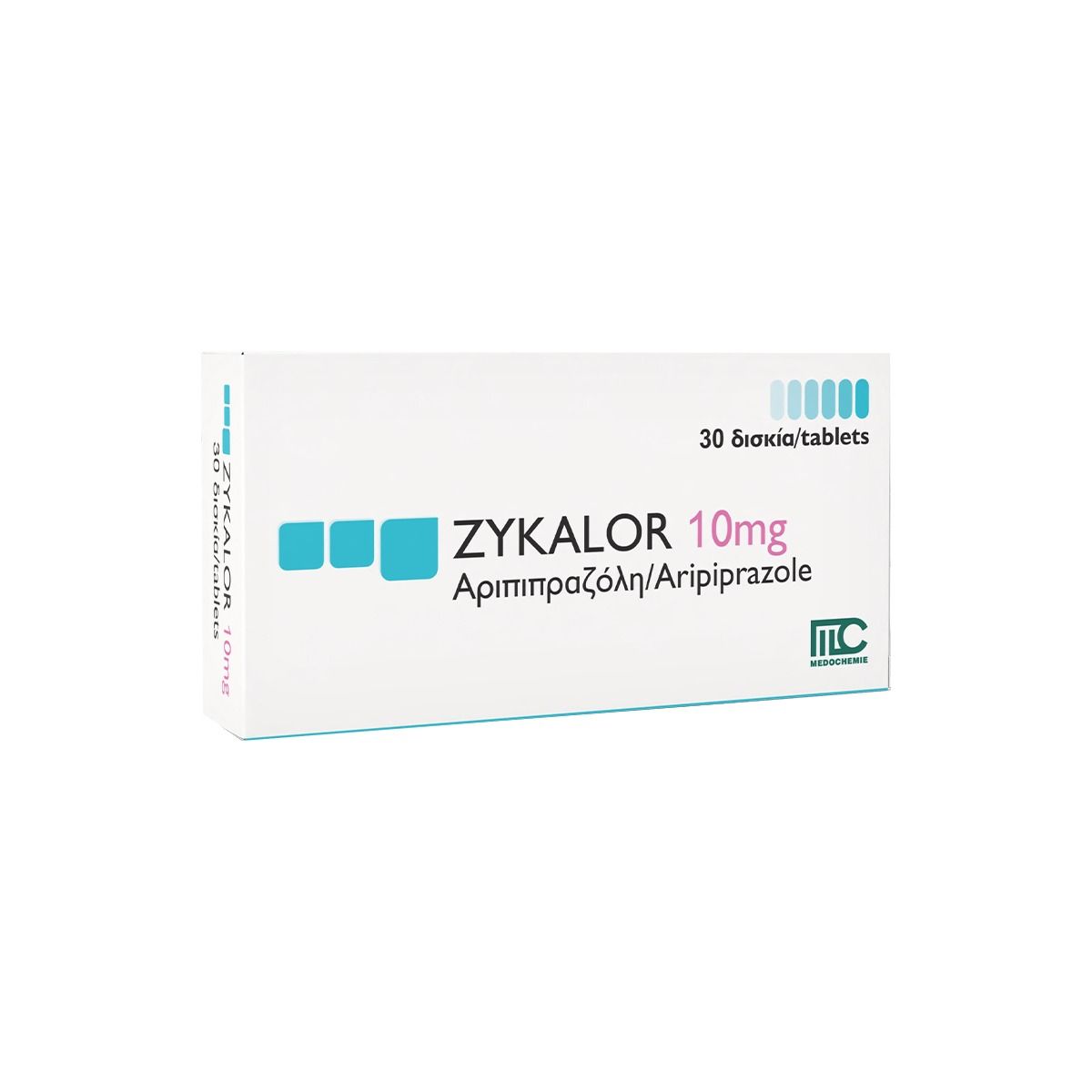
Zykalor - Zykalor Oral 10mg 30 Tablets
| Status | Select a city |
| Brand country |  Cyprus |
| Quantity and shape | 30 tablets |
| Generics | aripiprazole |











- Description
- Reviews
Zicalor 10mg tablets
Aripiprazole
Package leaflet: Information for the patient
Read all of this leaflet carefully before you start taking this medicine because it contains important information for you.
• Keep this leaflet. You may need to read it again.
• If you have any further questions, ask your doctor or pharmacist.
• This medicine has been prescribed for you only. Do not pass it on to others. It may harm them, even if their signs of illness are the same as yours.
• If you get any side effects, talk to your doctor or pharmacist. This includes any possible side effects not listed in this leaflet. See section 4.
What is in this leaflet
1. What Zikalor is and what it is used for
2. What you need to know before you take Zikalor
3. How to take Zikalor
4. Possible side effects
5. How to store Zikalor
6. Contents of the pack and other information
1. What Zikalor is and what it is used for
Zikalor contains the active substance aripiprazole and belongs to a group of medicines called antipsychotics.
It is used to treat adults and adolescents aged 15 years and older who suffer from a disease characterised by symptoms such as hearing, seeing or sensing things which are not there, suspiciousness, mistaken beliefs, incoherent speech and behaviour and emotional flatness. People with this condition may also feel depressed, guilty, anxious or tense.
Zikalor is used to treat adults and adolescents aged 13 years or older who experience a condition accompanied by symptoms such as: feeling of euphoria ("elevated mood"), excessive energy, needing much less sleep than usual, rapid speech and racing thoughts, and sometimes — severe irritability. In adults, it also prevents this condition from recurring in patients who have responded positively to treatment with Zikalor.
2. What you need to know before taking Zikalor
Do not take Zikalor:
• if you are allergic to aripiprazole or any of the other ingredients of this medicine (listed in section 6).
Warnings and precautions
Consult your doctor before taking Zikalor.
Suicidal ideation and behaviors have been reported during treatment with aripiprazole. Tell your doctor immediately if you have any thoughts or ideation of harming yourself.
Before starting treatment with Zikalor, tell your doctor if you suffer from:
• high blood sugar (characterized by symptoms such as excessive thirst, passing large amounts of urine, increased appetite, and feeling weak) or have a family history of diabetes.
• seizures (fits), as your doctor may consider it necessary to monitor your condition more closely.
• involuntary, spontaneous muscle movements, especially in the face.
• Cardiovascular diseases (diseases of the heart and circulatory system), a family history of cardiovascular diseases, stroke or "mini-stroke", abnormal blood pressure.
• Blood clots (thrombi) or a family history of a tendency to form them, as antipsychotic drugs are associated with the formation of blood clots.
• A past history of pathological gambling addiction.
Tell your doctor if you notice weight gain, unusual movements, sleepiness that interferes with your daily activities, difficulty swallowing, or allergic symptoms.
If you are an elderly patient suffering from dementia (loss of memory and other mental abilities), you or your caregiver/relative must tell your doctor if you have ever had a stroke or "mini-stroke".
Tell your doctor immediately if you have any thoughts or desires to harm yourself; suicidal ideation and behaviors have been reported during aripiprazole treatment.
Tell your doctor immediately if you experience muscle stiffness or rigidity, accompanied by high fever, sweating, altered mental status, or very fast/irregular heartbeat.
Tell your doctor if you or your family member/caregiver notice that you are developing urges or cravings to behave in ways that are unusual for you and you cannot resist the impulse or temptation to carry out certain activities which may result in harm to yourself or others. Such conditions are called impulse control disorders and can include behaviours such as addictive gambling, excessive eating or spending, an abnormally high sex drive or a preoccupation with sexual thoughts or feelings with excessive fascination.
Your doctor may need to adjust your dose or stop the medication.
Aripiprazole may cause sleepiness, a drop in blood pressure when standing up, dizziness and changes in your ability to move and balance, which may lead to falls. Caution is needed, especially if you are an elderly patient or have a deterioration in your health condition.
Children and adolescents
Do not use this medicine in children and adolescents under 13 years of age. It is not known whether it is safe and effective for these patients.
Other medicines and Zikalor
Tell your doctor or pharmacist if you are taking, have recently taken or might take any other medicines.
Blood pressure-lowering medicines: "Zikalor" may increase the effect of medicines used to lower blood pressure. Be sure to tell your doctor if you take a medicine to control your blood pressure.
Taking Zicalor together with other medicines may require changing the dose of aripiprazole or other medicines. It is especially important to mention the following medicines to your doctor:
• Heart rhythm regulating agents (e.g., quinidine, amiodarone, flecainide).
• Antidepressants or herbal remedies for depression and anxiety (e.g., fluoxetine, paroxetine, venlafaxine, St. John's wort).
• Antifungal agents (e.g., ketoconazole, itraconazole).
• Certain medicines for HIV infection (e.g., efavirenz, nevirapine, protease inhibitors, e.g., indinavir, ritonavir).
• Anticonvulsants for the treatment of epilepsy (e.g., carbamazepine, phenytoin, phenobarbital).
• Certain antibiotics for the treatment of tuberculosis (rifabutin, rifampicin).
These medicines may increase the risk of side effects or weaken the effect of aripiprazole; if you experience any unusual symptoms while taking any of them together with Zicalor, you should contact your doctor.
Serotonin elevating medicines are usually used in conditions such as depression, generalized anxiety disorder, obsessive-compulsive disorder (OCD) and social phobia, as well as migraine and pain:
• Triptans, tramadol, and tryptophan — used for depression, generalized anxiety disorder, obsessive-compulsive disorder (OCD), social phobia, as well as migraine and pain.
• Selective serotonin reuptake inhibitors (SSRIs) (e.g., paroxetine and fluoxetine) — used for depression, OCD, panic, and anxiety.
• Other antidepressants (e.g., venlafaxine and tryptophan) — used for severe depression.
• Tricyclic antidepressants (e.g., clomipramine and amitriptyline) — used for depressive states.
• St. John's wort (Hypericum perforatum) — used as an herbal remedy for mild depression.
• Painkillers (e.g., tramadol and pethidine) — used for pain relief.
• Triptans (e.g., sumatriptan and zolmitriptan) — used to treat migraines.
These medications may increase the risk of side effects; if you experience any unusual symptoms while taking any of them with "Zikalor", you should contact your doctor.
Zikalor with food, drink, and alcohol
This medication can be taken with or without food.
You should avoid consuming alcohol while taking Zikalor.
Pregnancy, breastfeeding, and fertility
If you are pregnant or breastfeeding, think you may be pregnant, or are planning to have a baby, ask your doctor for advice before taking this medication.
In newborns whose mothers took "Zicalor" in the last trimester of pregnancy (during the last three months of pregnancy), the following symptoms may occur: shaking, muscle stiffness and/or weakness, sleepiness, agitation, breathing problems, and difficulty feeding. If your baby develops any of these symptoms, you may need to contact your doctor.
If you are taking Zicalor, your doctor will discuss breastfeeding with you; taking into account the benefit of the treatment for you and the benefit of breastfeeding for the baby. You should not combine these two processes. Ask your doctor for advice on the best way to feed your baby while taking this medicine.
Driving and using machines
Dizziness and vision problems may occur during treatment with this medicine (see section 4).
This should be taken into account in situations requiring full attention, for example, when driving or using machines.
Zicalor contains lactose. If you have been told by your doctor that you have an intolerance to some sugars, contact your doctor before taking this medicinal product.
Each Zicalor tablet contains less than 1 mmol (23 mg) sodium, which essentially means the medicine is "sodium-free".
3. How to take Zicalor
Always take this medicine exactly as your doctor or pharmacist has told you. Check with your doctor or pharmacist if you are not sure.
The recommended dose for adults is 15 mg once a day. However, your doctor may prescribe a lower or higher dose (up to a maximum of 30 mg once a day).
Use in children and adolescents
Treatment with aripiprazole may be initiated at a low dose, using the oral solution (liquid) form of the medicine. The dose may be gradually increased to the recommended dose for adolescents — 10 mg once a day. However, your doctor may prescribe a lower or higher dose (up to a maximum of 30 mg once a day).
Zikalor's appropriate form (oral solution) is not available. An alternative medicine containing the same active substance should be used.
If you think that Zikalor's effect is too strong or too weak, consult your doctor or pharmacist.
Try to take the Zikalor tablet at the same time every day. It does not matter whether you take it with or without food. Always swallow the tablet whole with water.
Even if you feel better, do not change or stop taking your daily dose of Zikalor without consulting your doctor.
If you take more Zikalor than you should
If you find that you have taken more Zicalor than your doctor prescribed (or if someone else has taken your Zicalor), contact your doctor immediately. If you cannot reach your doctor, go to the nearest hospital and take the medicine pack with you.
Patients who have taken an overdose of aripiprazole have experienced the following symptoms:
• rapid heartbeat, agitation/aggressiveness, speech problems.
• unusual movements (especially of the face or tongue) and reduced level of consciousness.
Other symptoms may include:
• acute confusion, seizures (epilepsy), coma, as well as a combination of fever, faster breathing, and sweating.
• muscle stiffness, drowsiness, slower breathing, shortness of breath (choking), high or low blood pressure, and abnormal heart rhythm.
Contact your doctor or hospital immediately if you experience any of the above symptoms.
If you forget to take Zicalor
If you miss a dose, take it as soon as you remember, but do not take a double dose in one day.
If you stop taking Zicalor
Do not stop treatment just because you feel better. It is important to continue taking Zicalor for as long as your doctor has told you to.
If you have any further questions on the use of this medicine, ask your doctor or pharmacist.
4. Possible side effects
Like all medicines, this medicine can cause side effects, although not everybody gets them.
Common side effects (may affect up to 1 in 10 people):
• Diabetes mellitus,
• Sleep disorders,
• Feeling of anxiety,
• Restlessness and inability to keep still, difficulty sitting still in one place,
• Akathisia (an uncomfortable feeling of inner restlessness and a strong urge to move constantly),
• Uncontrollable jerky movements of the muscles, involuntary movements or writhing movements of the body, tremor,
• Headache,
• Fatigue,
• Sleepiness,
• Lightheadedness,
• Tremor and blurred vision,
• Infrequent or difficult bowel movements,
• Indigestion,
• Feeling sick (nausea),
• Excessive production of saliva,
• vomiting,
• feeling of tiredness.
Uncommon side effects (may affect up to 1 in 100 people):
• increased or decreased levels of prolactin hormone in the blood,
• high blood sugar levels,
• depression,
• change or increase in sexual interest,
• uncontrollable movements of the mouth, tongue and limbs (tardive dyskinesia),
• muscle disorder causing twisting movements of body parts (dystonia),
• restless legs syndrome,
• double vision,
• sensitivity of the eyes to light,
• fast heartbeat,
• drop in blood pressure when standing up, causing dizziness, confusion or fainting,
• hiccups.
The following side effects have been reported since the marketing of oral aripiprazole, but their frequency is unknown:
• low levels of white blood cells (leukocytes),
• low levels of blood platelets,
• allergic reaction (e.g., swelling of the mouth, tongue, face and throat, itching, hives),
• development or worsening of diabetes, ketoacidosis (ketones in the blood and urine) or coma,
• High blood sugar level,
• Low blood sodium,
• Loss of appetite (anorexia),
• Weight loss,
• Weight gain,
• Suicidal thoughts, suicide attempt and suicide,
• Aggressiveness,
• Agitation,
• Nervousness,
• Combination of fever, muscle rigidity (stiffness), rapid breathing, sweating, decreased consciousness and sudden changes in blood pressure and heart rate or loss of consciousness (neuroleptic malignant syndrome),
• Seizure,
• Serotonin syndrome (a reaction that may cause a feeling of extreme happiness, drowsiness, clumsiness, restlessness, feeling drunk, fever, sweating or muscle rigidity),
• Speech impairment,
• Fixation of the eyeballs in one position,
• Sudden, unexplained death,
• Life-threatening heart rhythm disorder,
• Heart attack,
• Slowing of the heart rate,
• Blood clot formation in veins, especially in the legs (symptoms include swelling, pain, and redness in the leg); they can travel through blood vessels to the lungs and cause chest pain and difficulty breathing (if any of these symptoms occur, contact a doctor immediately),
• Increased blood pressure,
• Loss of consciousness (fainting),
• Accidental aspiration of food (entering the airways), which creates a risk of developing pneumonia (lung inflammation),
• Spasm of the muscles around the larynx,
• Inflammation of the pancreas,
• Difficulty swallowing,
• Diarrhea,
• Abdominal discomfort,
• Stomach discomfort,
• Liver failure,
• Liver inflammation,
• Yellowing of the skin and sclera (white part of the eye),
• Abnormal liver function test results,
• Skin rash,
• Increased skin sensitivity to light,
• Hair loss (baldness),
• Excessive sweating,
• Serious allergic reactions, such as DRESS syndrome (Drug Reaction with Eosinophilia and Systemic Symptoms). DRESS syndrome initially presents with flu-like symptoms and a rash on the face, followed by a widespread rash, high temperature, enlarged lymph nodes,
elevated liver enzymes in blood tests and an increase in the number of a certain type of white blood cells (eosinophils),
• abnormal breakdown of muscle tissue, which can lead to kidney problems,
• muscle pain,
• stiffness,
• involuntary urination (incontinence),
• difficulty urinating,
• withdrawal symptoms in newborns (if exposed to the drug during pregnancy),
• prolonged and/or painful erection,
• difficulty regulating body temperature or overheating,
• chest pain,
• swelling of the hands, ankles, or feet,
• in blood tests: increased or fluctuating blood sugar levels, increased glycated hemoglobin levels. • inability to resist the impulse, drive, or temptation to perform an action that could harm you or others; this may include:
- a strong impulse to gamble excessively, despite serious personal or family consequences
- Altered or increased sexual interest and behavior that causes significant concern to you or others (for example, increased sexual drive)
- Uncontrollable, excessive shopping
- Binge eating (eating large amounts of food in a short period of time) or compulsive eating (eating more food than normal and more than is needed to satisfy hunger)
- A tendency to wander aimlessly.
Tell your doctor if you experience any of these behaviors; they will discuss ways to manage or reduce the symptoms.
In elderly patients with dementia, a higher rate of fatal cases has been reported when taking aripiprazole. In addition, cases of stroke and "mini-stroke" have been reported.
Additional side effects in children and adolescents
Side effects in adolescents aged 13 years and older were similar in frequency and type to those in adults, except that sleepiness, uncontrollable muscle twitching or involuntary movements, restlessness, and fatigue were very common (may affect more than 1 in 10 people); while upper abdominal pain, dry mouth, increased heart rate, weight gain, increased appetite, sharp muscle contractions, uncontrollable movements of the limbs, and dizziness (especially when standing up from a lying or sitting position) were common (may affect up to 1 in 10 people).
Reporting of side effects
If you get any side effects, talk to your doctor or pharmacist. This includes any possible side effects not listed in this leaflet. You can also report side effects directly via the national reporting system of the respective country
By reporting side effects you can help provide more information on the safety of this medicine.
5. How to store Zikalor
Keep this medicine out of the reach of children and out of their sight.
Do not use this medicine after the expiry date which is stated on the packaging (blister and carton). The expiry date refers to the last day of that month.
This medicinal product does not require any special storage conditions.
Do not throw away any medicines via wastewater or household waste. Ask your pharmacist how to throw away medicines you no longer use. These measures will help protect the environment.
6. Contents of the pack and other information
What Zikalor contains
• The active substance is aripiprazole. Each tablet contains 5 mg, 10 mg, 15 mg, 20 mg or 30 mg of aripiprazole.
• The other ingredients are:
Excipients: lactose monohydrate, microcrystalline cellulose, corn starch, croscarmellose sodium, hydroxypropyl cellulose, magnesium stearate.
5 mg tablets: indigo carmine aluminum lake (E132);
10 mg and 30 mg tablets: red iron oxide (E172);
15 mg tablets: yellow iron oxide (E172).
Description of Zicalor and package contents
5 mg tablets
Blue, modified rectangular tablets, size approximately 8.0 x 4.5 mm.
10 mg tablets
Pink, modified rectangular tablets, size approximately 8.5 x 4.0 mm, with a score line on one side. The tablets can be divided into equal doses.
15 mg tablets
Light yellow, round tablets, diameter approximately 7.0 mm.
20 mg tablets
White or off-white, round tablets, diameter approximately 8.0 mm, with a score line on one side. The tablets can be divided into equal doses.
30 mg tablets
Pink, round tablets, diameter approximately 9.5 mm, with a score line on one side. The tablets can be divided into equal doses.
OPA/Al/PVC-Al blisters; packs of 14, 28, 30, 56, 60, 84 and 90 tablets. Not all pack sizes may be marketed.
Also, see: Aripegis - Aripegis 10 mg. 28 tablets
Translated by AI


